
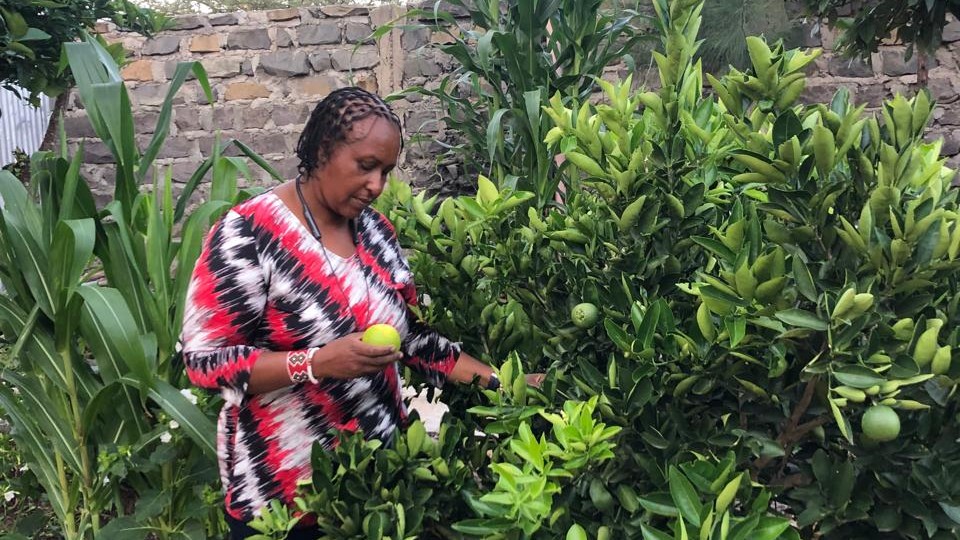
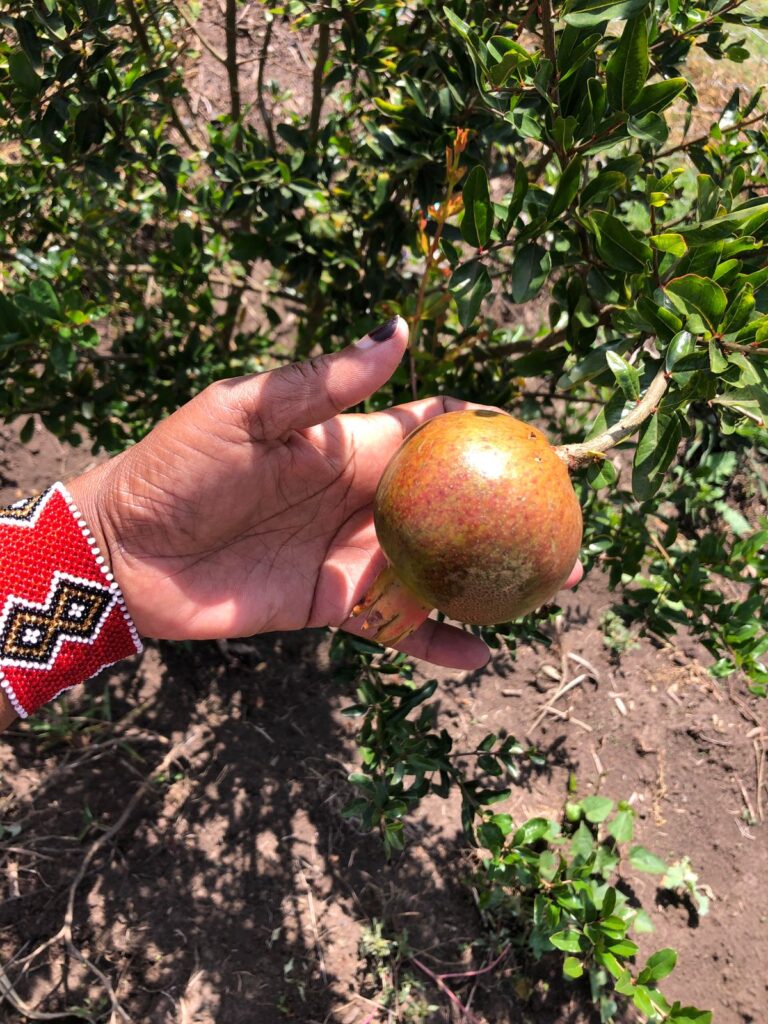
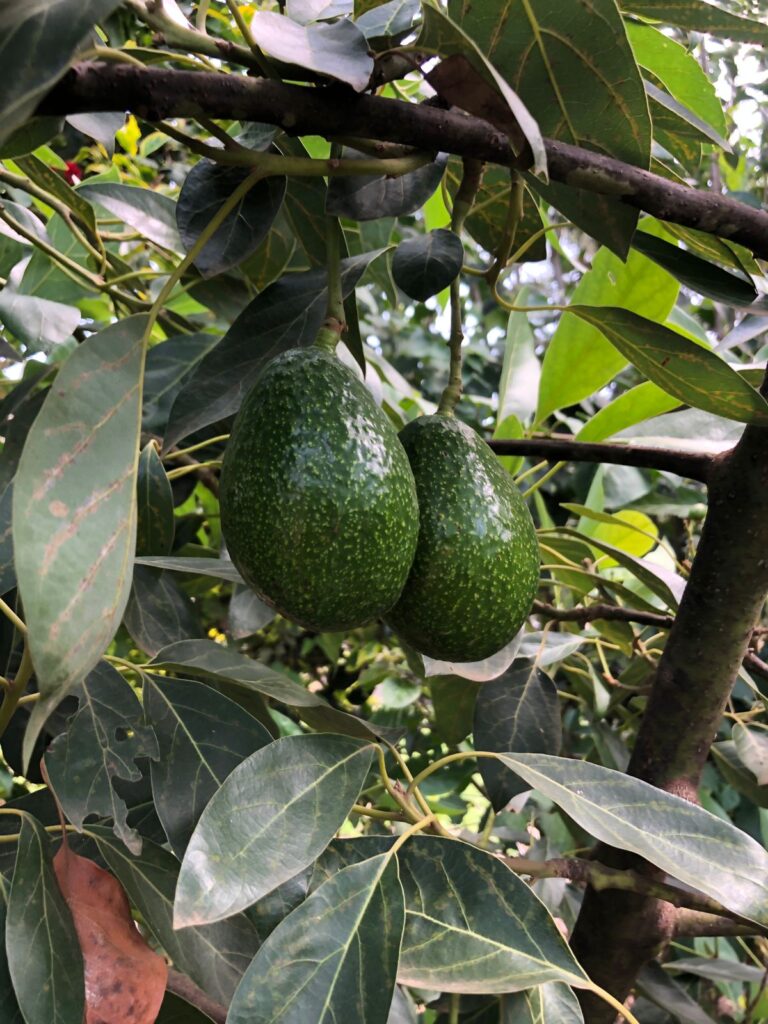
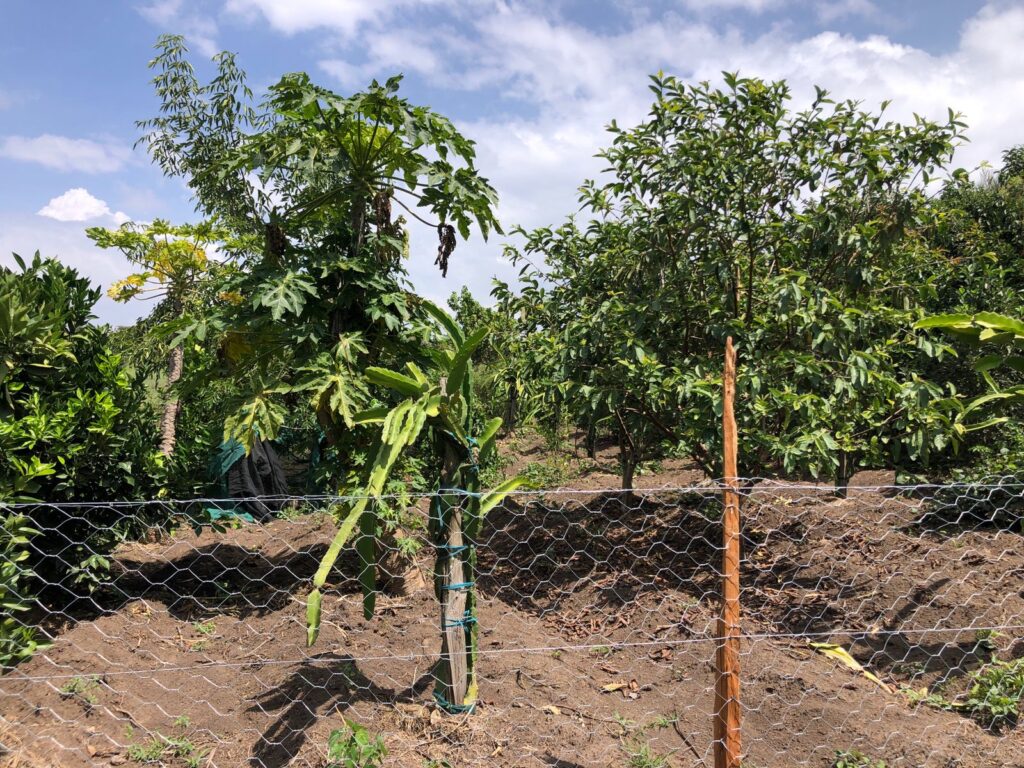
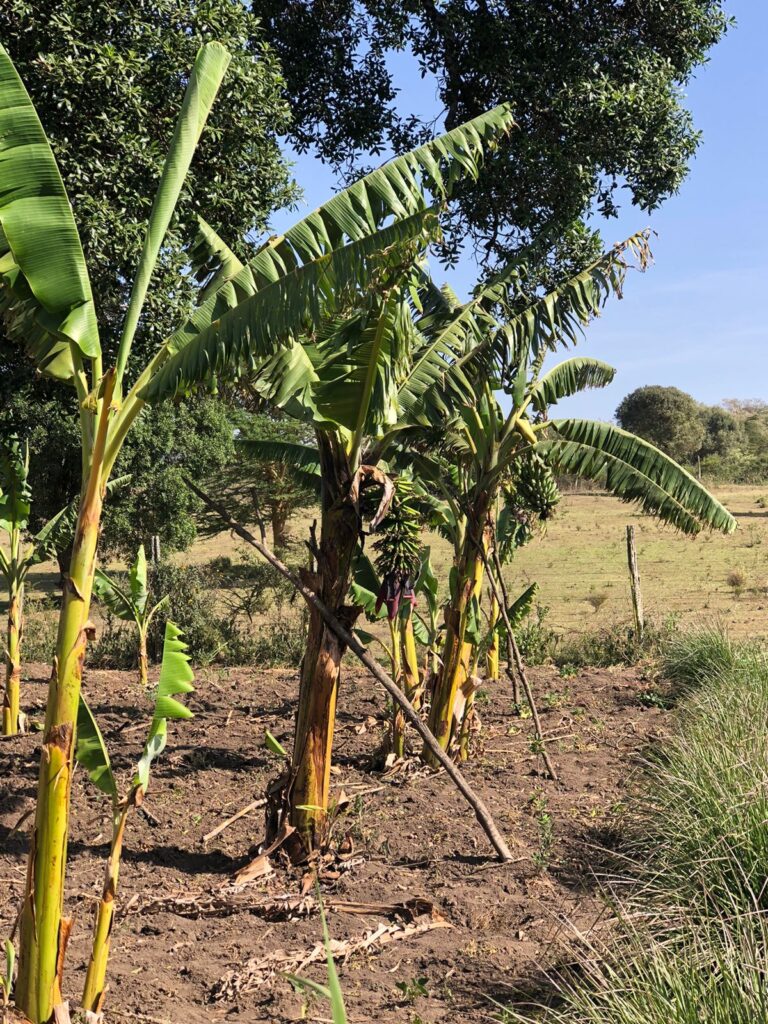
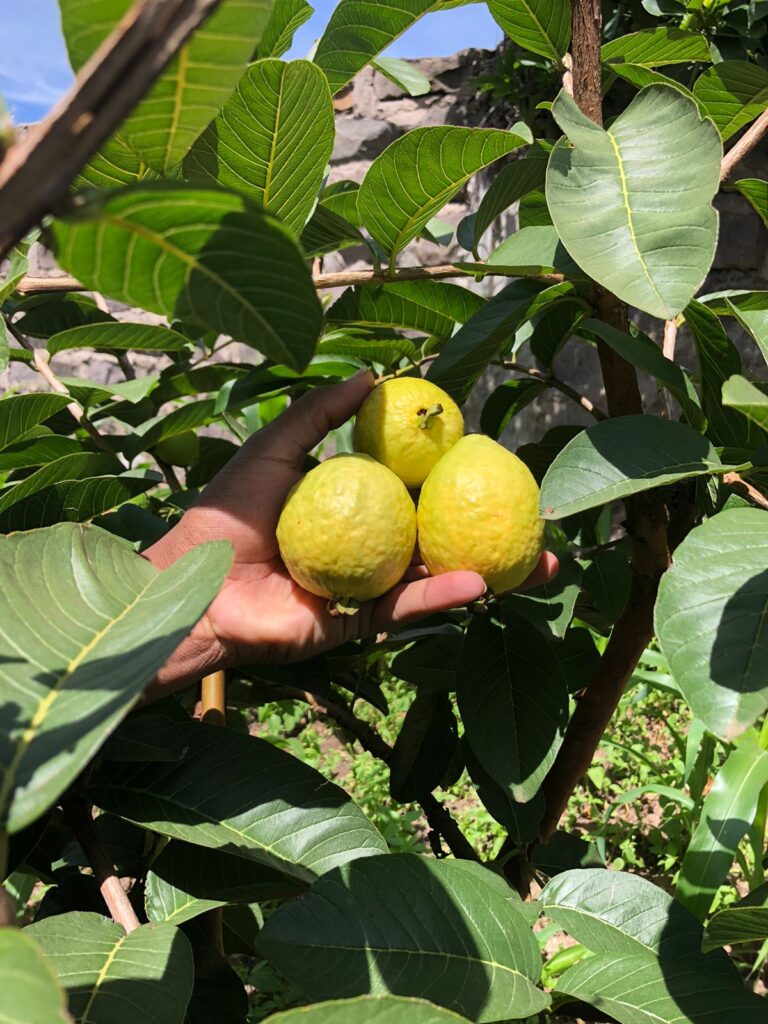
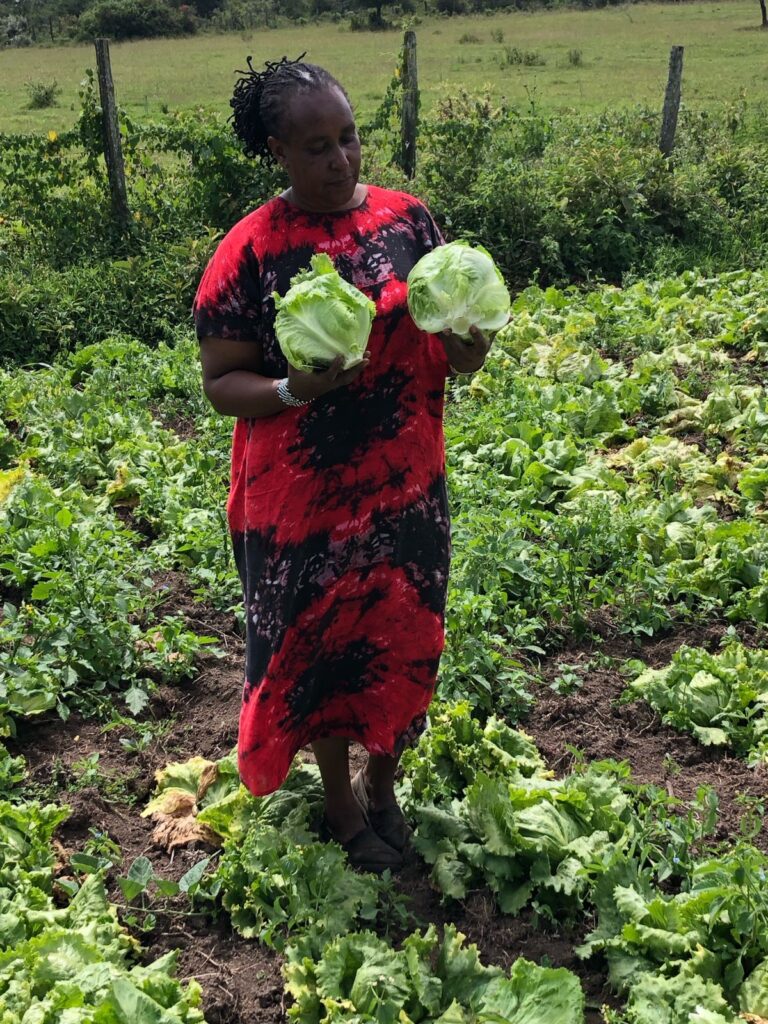
At dawn in Narok, Grace Namunyak walks through a farm that tells a story of transformation. What was once bare, unproductive land is now a thriving agroecological system—home to avocados, apples, pomegranates, oranges, sweet potatoes, and a rich diversity of indigenous crops.
But this transformation did not begin with farming. It began with a young Maasai girl whose access to education was uncertain.
As the firstborn in her family, Grace had to delay starting school until her younger brother was old enough to accompany her on the long walk to the nearest school. Growing up in a pastoralist Maasai community, where formal education for girls was often not prioritized, these early experiences shaped her understanding of inequality from a young age.
She was also brought up by a father, who was a farmer and exposed her early to the realities of working with land and food systems, an influence that would later shape her path in life. Today, she is married to Jacob, a husband who shares her passion for farming and has been a strong partner in their agroecological journey.
Later, as a professional teacher, those memories resurfaced. She saw many girls facing the same barriers, limited access to education, early responsibilities, and cultural expectations that often cut their schooling short. Determined to create change, Grace made a bold decision: she left her teaching career to establish the Enamunyak Foundation, an initiative dedicated to rescuing and supporting vulnerable girls.
“I saw myself in those girls. I could not continue teaching in class while they were missing out on their future,” she explains. “That is when I knew I had to do something more.”
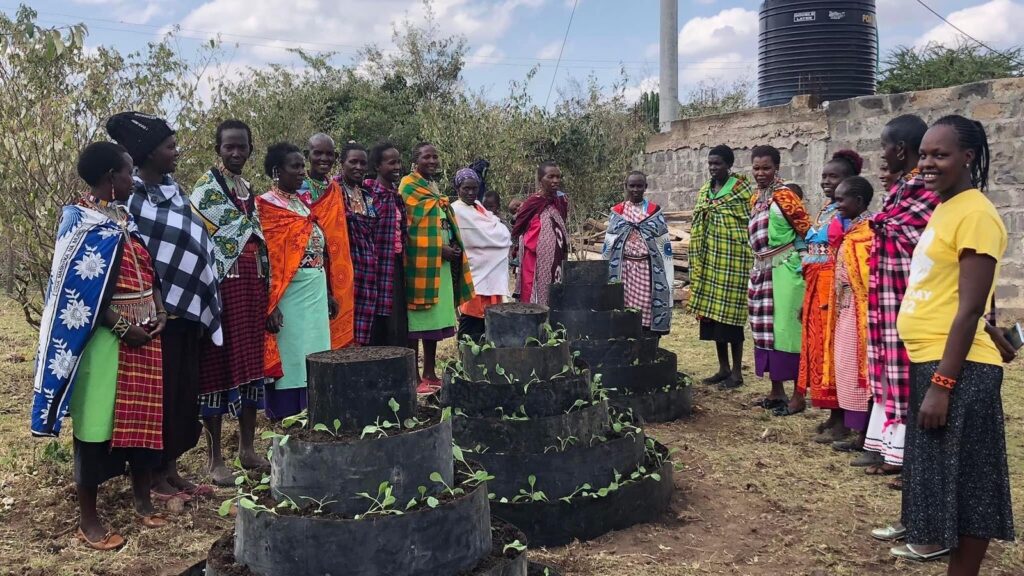
Some of the young women and girls supported through the Enamunyak Foundation
To date, the foundation has supported more than 70 girls, helping them access education, safety, and new opportunities.
But building the foundation was only part of the journey.
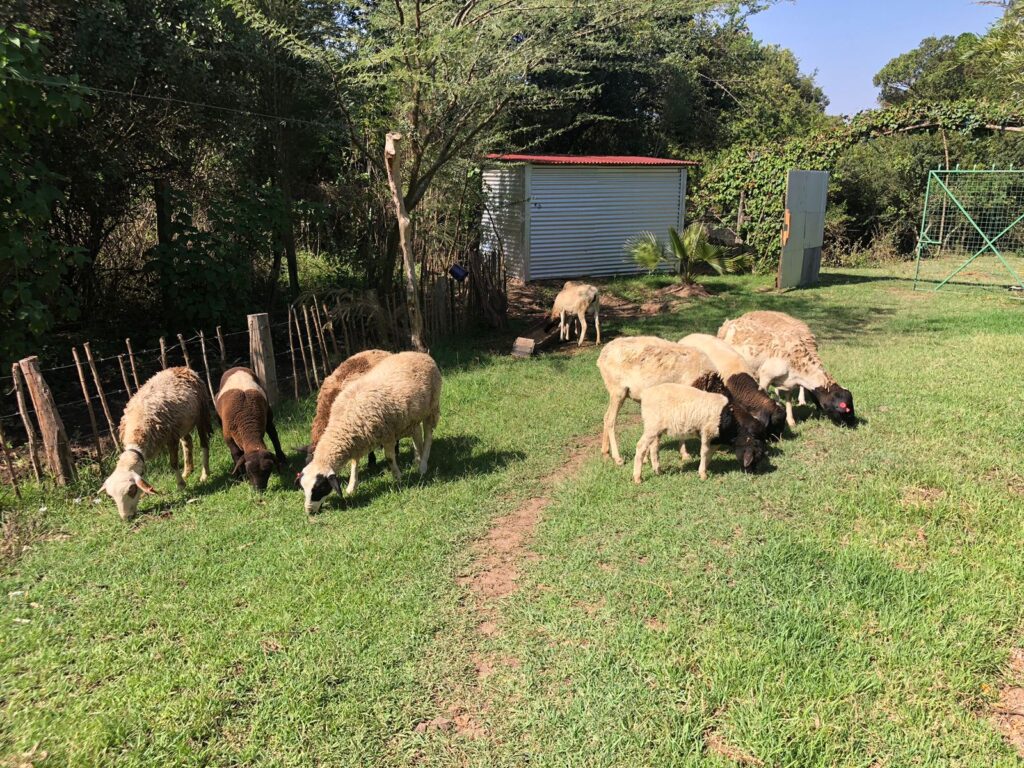
Grace and her husband returned to their village to rebuild their livelihood from the ground up. Coming from a pastoralist background, the shift to farming was not straightforward. Although her husband had some knowledge of agroecology, they were not practicing it at the time. With limited resources, they began learning step by step—watching online tutorials, experimenting on their land, and visiting farms in places like Gilgil and Nyeri to gain practical skills such as feed lotting, especially as their land size could not sustain traditional livestock systems.
“We started from zero, but we were determined to learn and make it work,” she says.
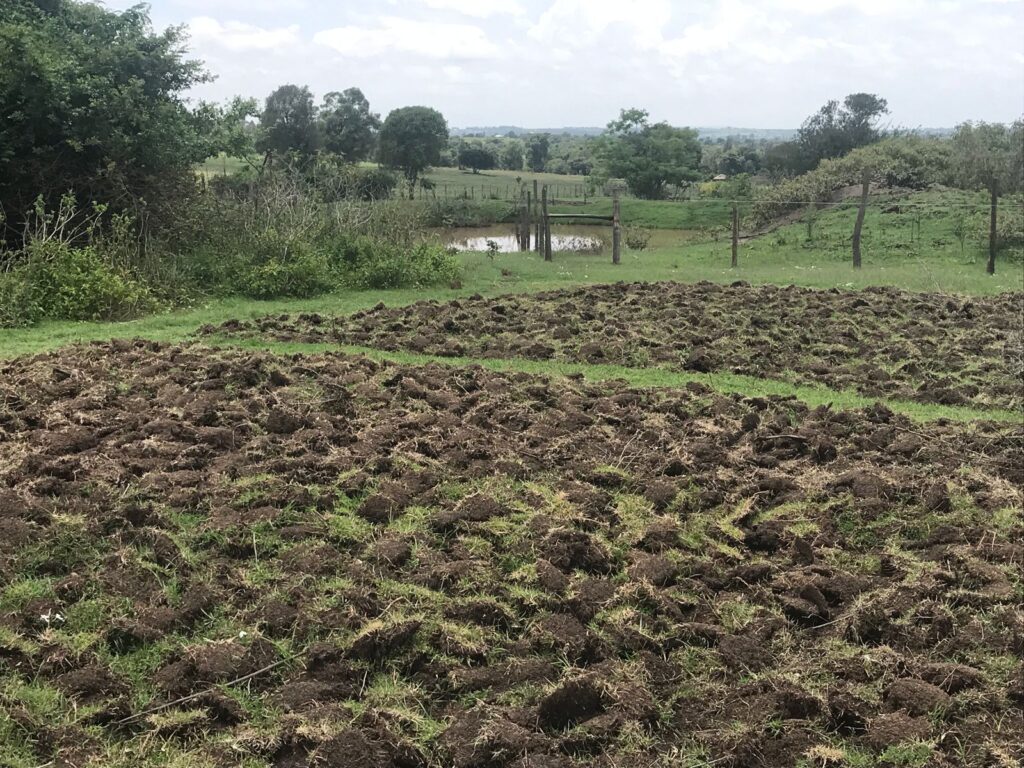
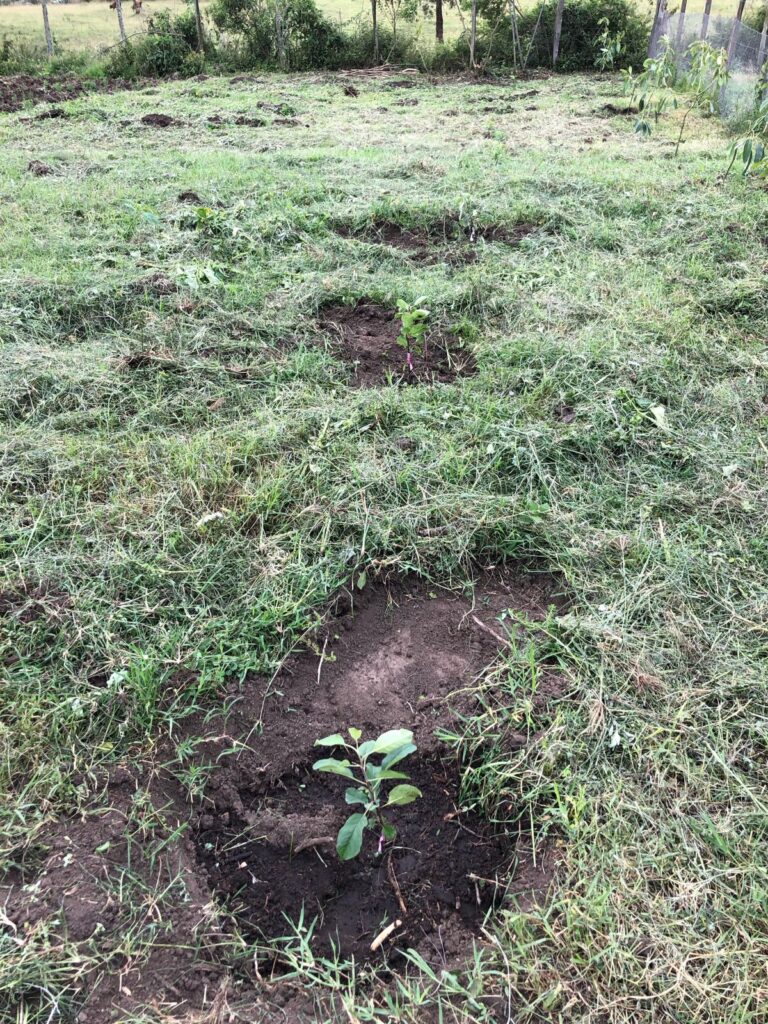
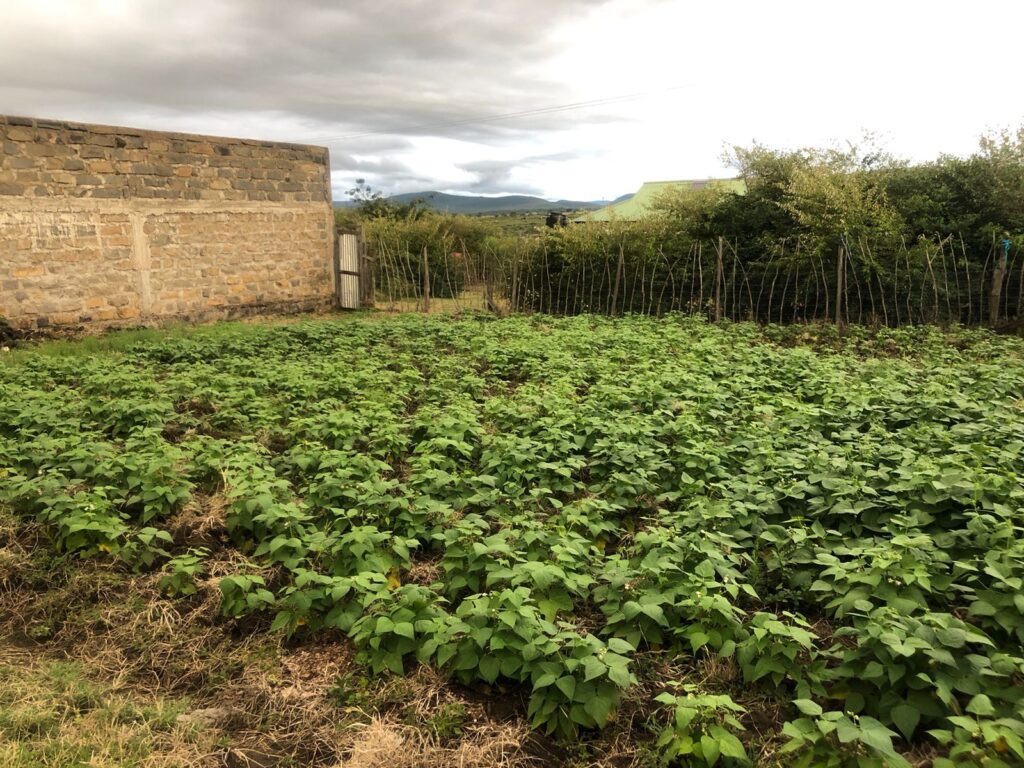
Grace began small, planting apples and avocados. Over time, her farm evolved into a diverse and resilient system, now hosting more than 10 fruit species and over 20 different crops. This diversity not only improves household nutrition but also strengthens resilience to climate shocks.
Her journey took a significant turn when she connected with Slow Food Kenya. Through trainings and an exchange visit to Uganda, Grace deepened her understanding of agroecology and began applying practices such as minimum tillage, using sweet potatoes as cover crops, and enhancing on-farm biodiversity.
“Agroecology opened my eyes. I realized I could work with nature, not against it,” she says.
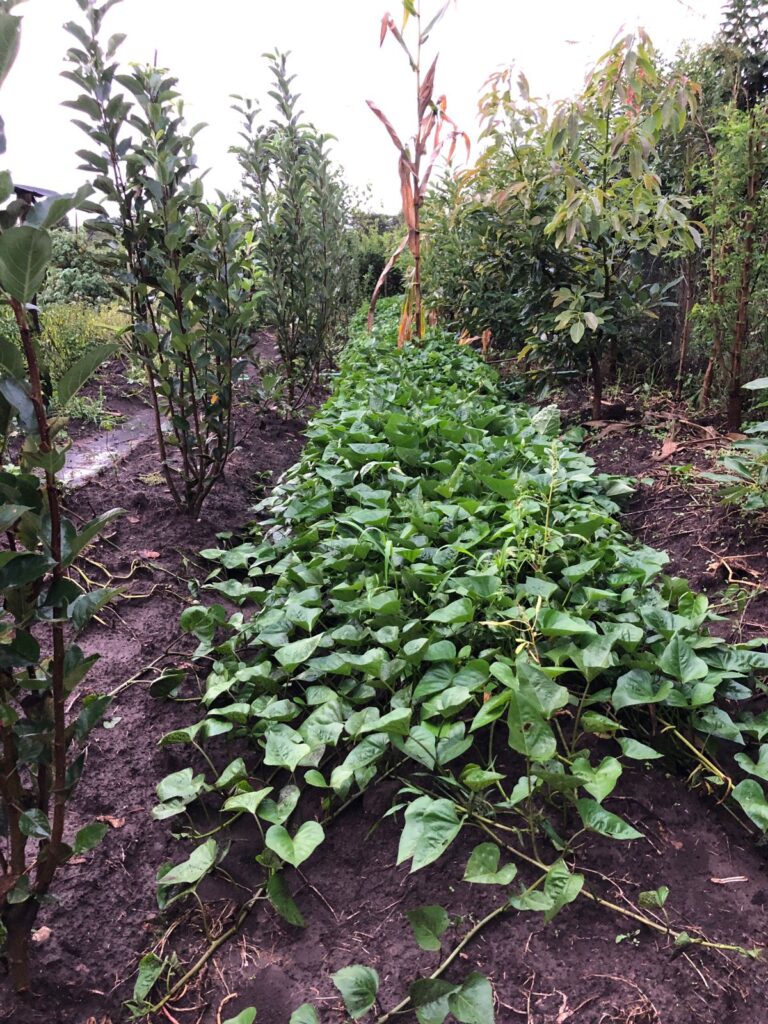
Despite this progress, challenges remain. Grace operates in a patriarchal context where women rarely own land, limiting their ability to fully invest in and benefit from farming. Climate variability, including prolonged dry periods, continues to threaten productivity. In addition, neighboring farms leased to commercial producers use hazardous chemical pesticides, posing risks to her agroecological system.
Yet, the impact of her work is steadily growing.
Through her farm and the Namunyak Foundation, Grace is transforming mindsets in her community. She has trained over 15 Maasai women in agroecology, many of whom are now adopting kitchen gardening and sustainable farming practices. These women are beginning to see farming not just as subsistence, but as a pathway to income, independence, and improved household nutrition.
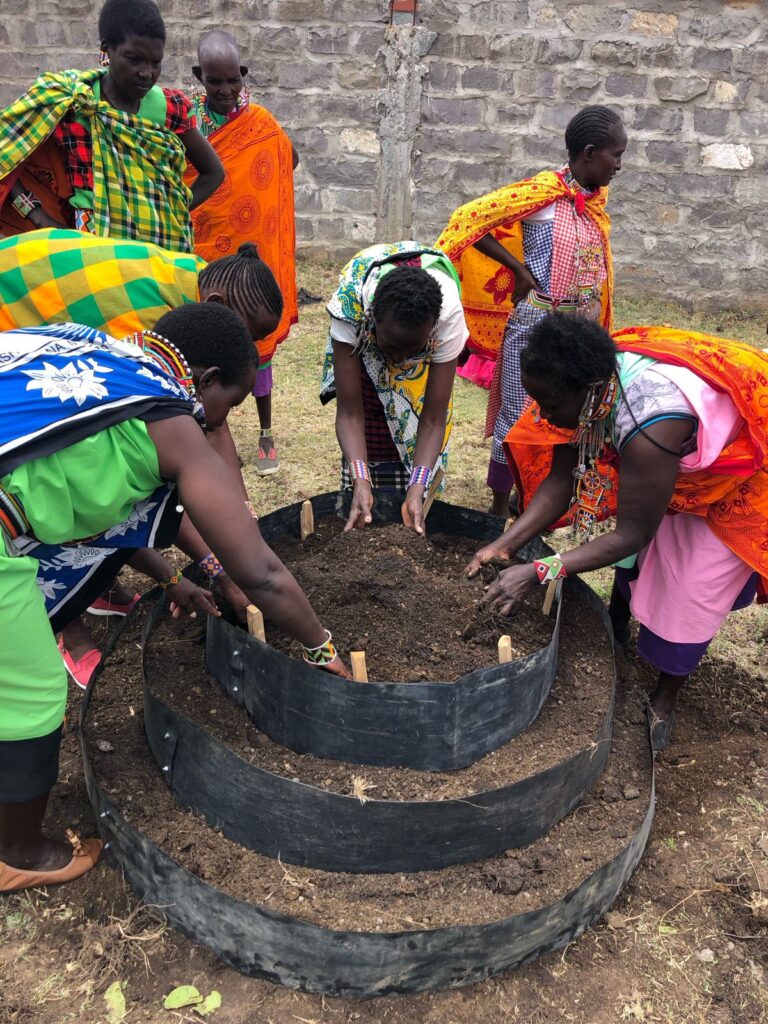
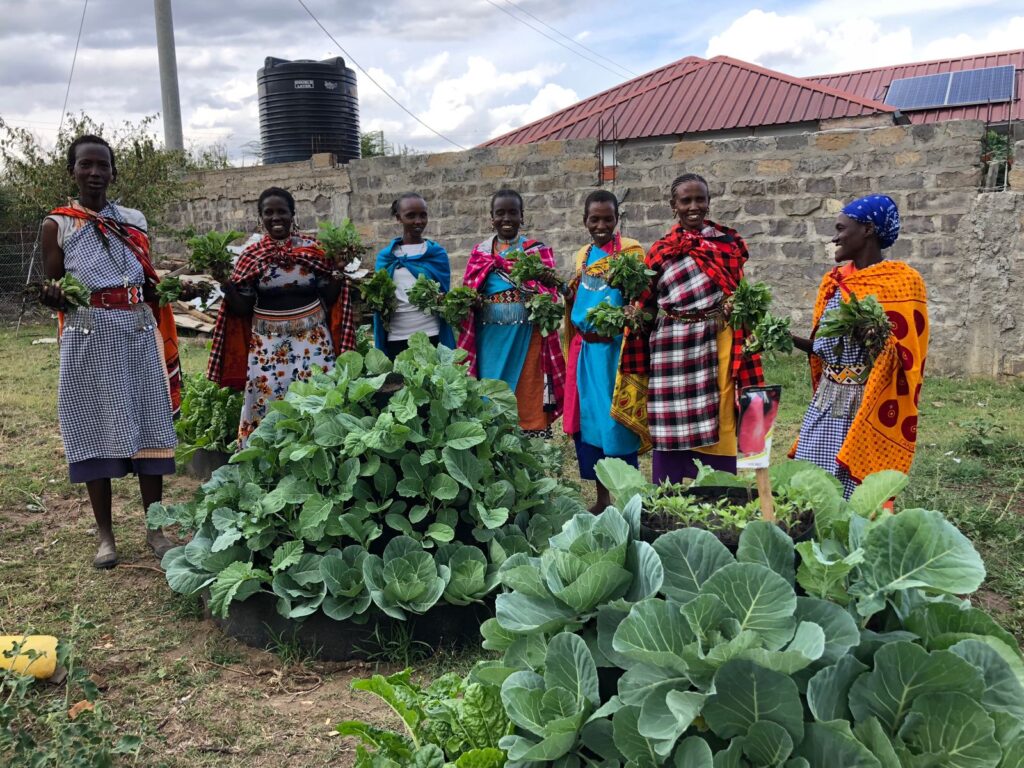
The girls supported by her foundation are also experiencing a shift. Exposure to farming and food systems is inspiring new interest many are now engaging in agriculture at school and developing an appreciation for it, challenging previous perceptions.
Grace’s work sits at the intersection of agriculture, culture, and social change. Her farm is more than a source of food, it is a living classroom, a source of livelihood, and a platform for empowerment.
Looking ahead, Grace envisions expanding both her farm and the reach of the Enamunyak Foundation, supporting more girls and equipping more women with the knowledge and confidence to transform their lives through agroecology.
Her story is a powerful reminder that agroecology is not just about food production—it is about dignity, opportunity, and the courage to rewrite futures.


