
Cultivating Change from the Ground Up
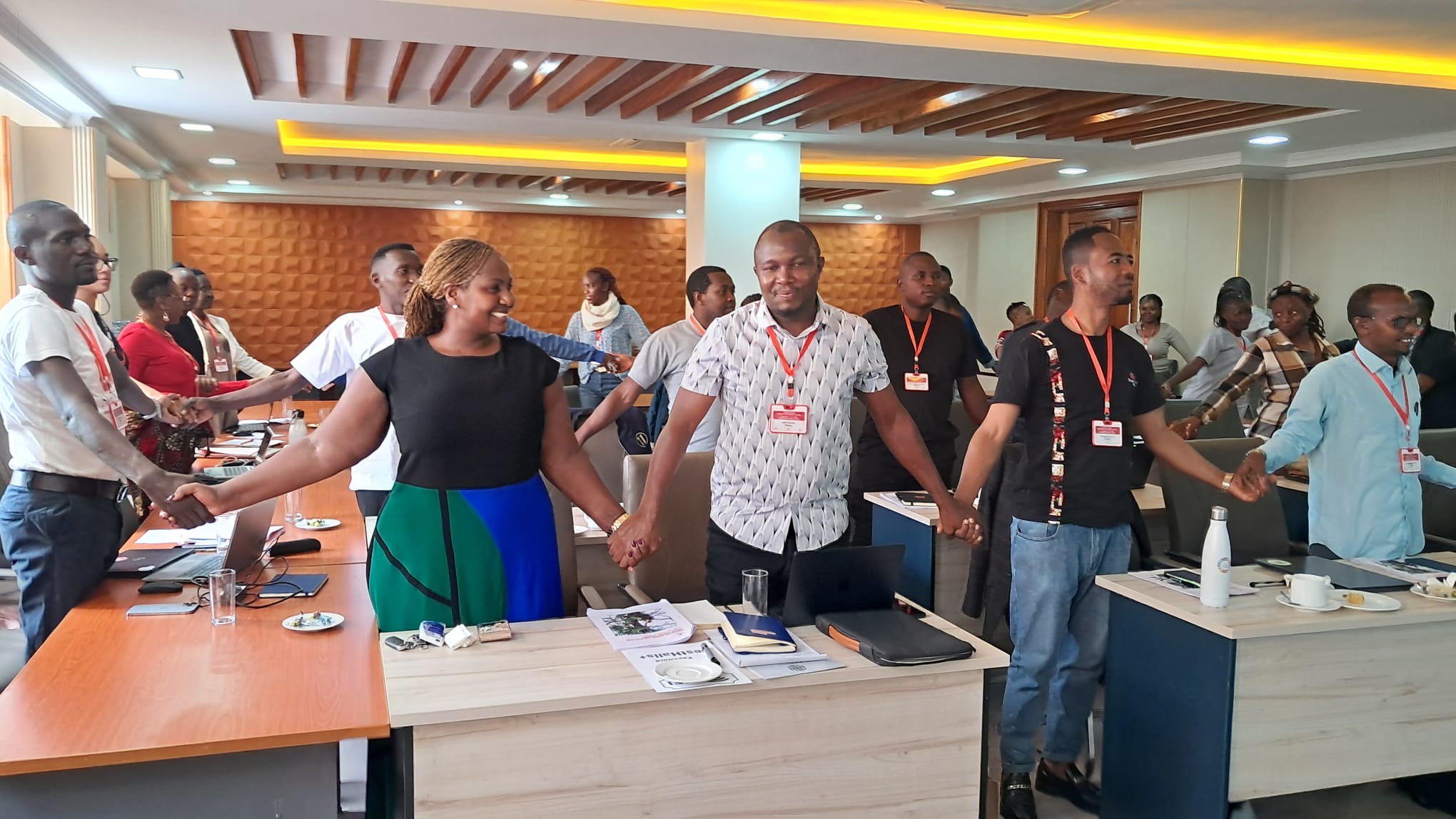
From 21–23 October 2025, Slow Food leaders and representatives from across Africa and Italy gathered in Nakuru, Kenya, for the Slow Food Africa Leaders Meeting. The three-day event, hosted by Slow Food Kenya, served as a vibrant platform for reflection, learning, and collaboration.
With a focus on advancing agroecology, food sovereignty, and resilient leadership, the gathering celebrated the diversity and strength of the Slow Food movement across the continent — a community united by the vision of good, clean, and fair food for all.
Shared Vision and Stronger Unity

Opening the meeting, John Kariuki, Country Coordinator for Slow Food Kenya, commended the remarkable work of Slow Food leaders across Africa who continue to promote indigenous foods, vegetables, and sustainable food systems.
“Africa represents the future of the Slow Food movement,” John reminded participants. “Our strength lies in how united we are. When we work together and share knowledge, we empower local communities, farmers, and youth to reclaim their food sovereignty.”
Africa’s Central Role in Global Food Systems
Edward Mukiibi, President of Slow Food International, reinforced the idea that Africa holds the key to global food security.
“If Africa is not well-fed, the world cannot be well-fed,” he said, calling for collective action to protect biodiversity, strengthen indigenous knowledge, and ensure access to nutritious food.
He reminded delegates that Africa’s youthful population is a powerful force for transformation. “Be the fire and light for people to learn and be inspired. And if your fire goes out, light it again from your neighbor’s fire,” he encouraged.
Innovation and Communication for a Stronger Network
Andrea Amato, Network Development Director at Slow Food International, presented updates on the network’s governance and growth strategy. He highlighted two key priorities for the Slow Food Africa network moving forward:
-
Digitalization: Integrating digital tools, artificial intelligence, and a unified database to connect local communities and strengthen collaboration.
-
Communication: Enhancing inclusivity and engagement by developing messages tailored to diverse audiences and contexts.
Andrea’s presentation underscored that digital transformation and storytelling will be critical in amplifying the impact of grassroots initiatives across Africa.
Leadership, Learning, and Conviviality

Throughout the sessions, leaders reflected on the theme “Cultivating Change from the Ground Up.” Discussions focused on the importance of intergenerational knowledge sharing, and collective leadership.
Nancy Muhoro, Board Chair of Slow Food Kenya, extended a warm welcome to all participants, reminding them that the most meaningful investment is in people. She called on leaders to take lessons learned back to their communities and continue expanding Slow Food’s work with dedication and humility.
“Our progress will be measured by how well we nurture and support our teams,” she said. “Take what you’ve learned here back to your communities and keep growing the movement from the ground up.”
As the meeting drew to a close, John Kiwagalo, Director Slow Food Africa captured the essence of the gathering:
“Every small action contributes to a larger movement. Through dialogue, collaboration, and transparency, we can inspire others, influence policies, and build a food system that honors both people and the planet.”
John Kariuki closed the session by expressing gratitude to all participants and reaffirming Kenya’s pride in hosting this landmark event the first of its kind in the country. He emphasized that everything done within the network must remain rooted in transparency, service, and community transformation.
The training ended with a renewed sense of purpose to continue cultivating change from the ground up. With strengthened partnerships, shared values, and a united vision, the Slow Food Africa network stands ready to grow deeper roots and nurture a sustainable food future for generations to come.


