
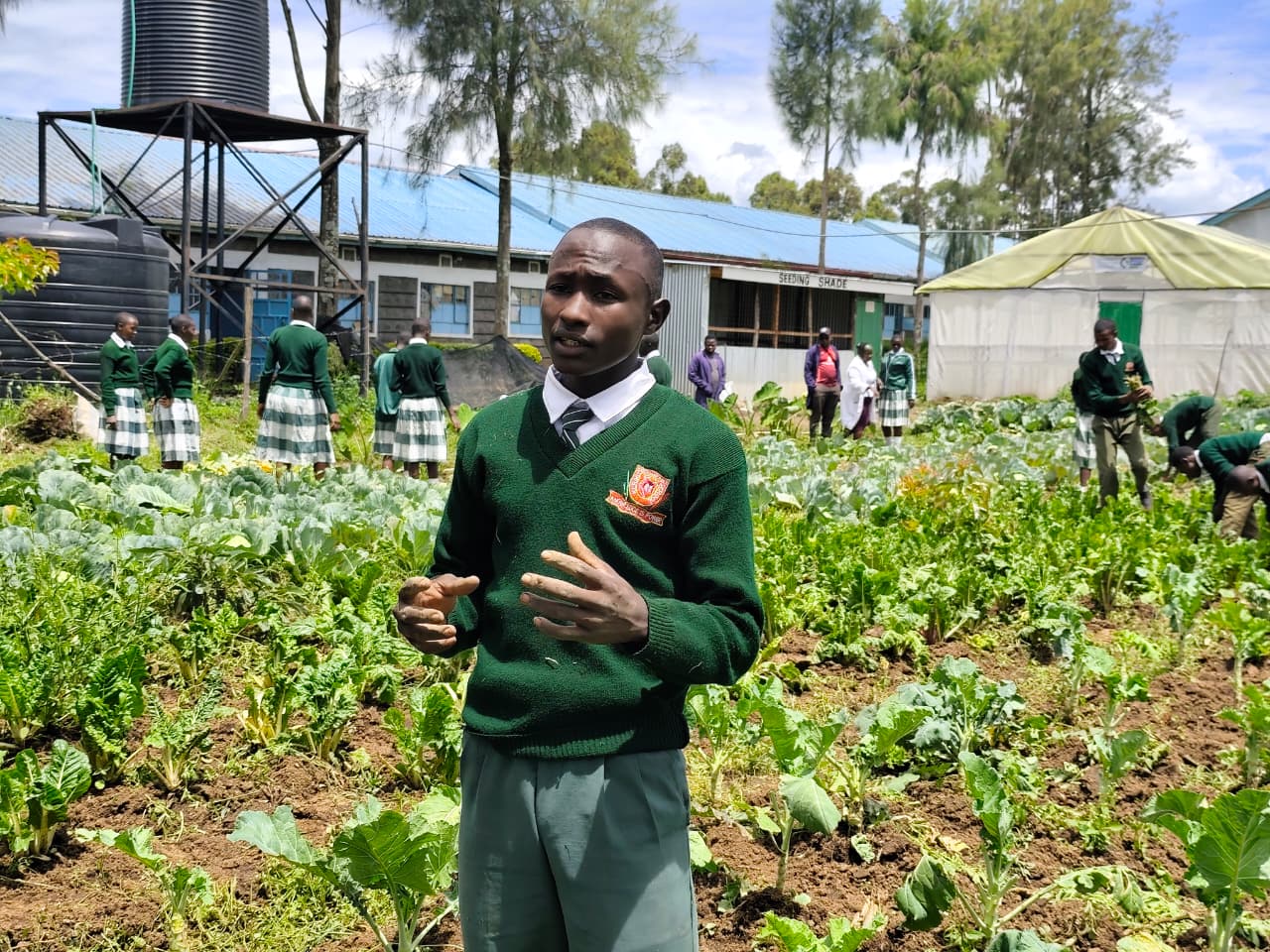
A few years ago, Keriko Secondary School faced a challenge common to many rural schools: feeding its students. With limited resources, the school relied mainly on maize and beans for school meals. While this helped address hunger, it offered little dietary diversity and often left students without access to the nutritious foods needed for healthy growth and effective learning.
Recognizing this challenge, parents approached Slow Food Kenya for support. Through a collaborative effort, a Slow Food Garden was established within the school. Teachers and a group of students received training on agroecology, sustainable food production, and nutrition. What began as a small school garden soon became much more than a food production site.
The garden evolved into a living classroom where students learned practical agricultural skills while producing a variety of vegetables for the school kitchen. Fresh vegetables became a regular part of school meals, improving dietary diversity and ensuring students had access to healthier food.
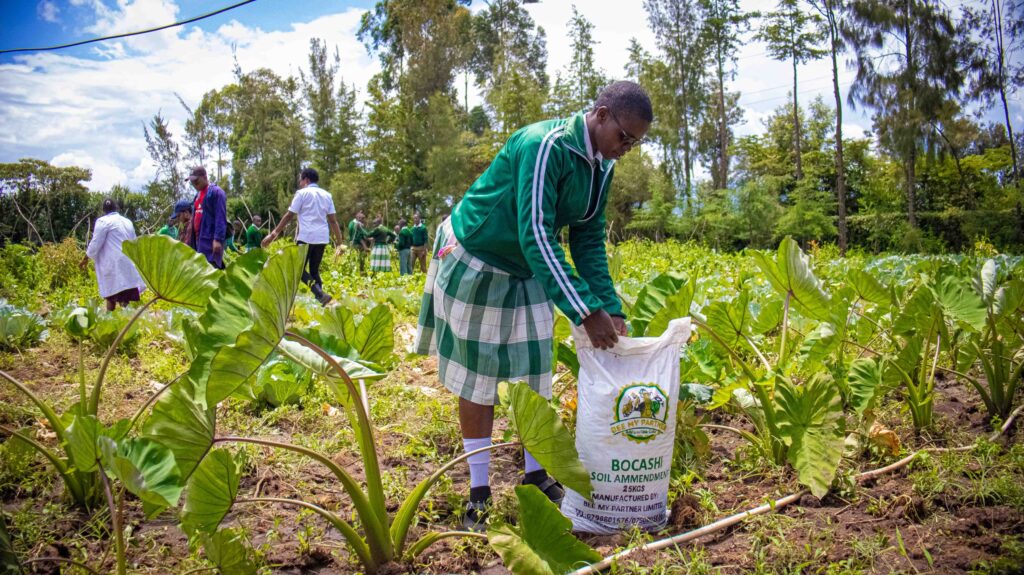
“The school garden has taught me that food does not just come from the market. I have learned how to make bokashi manure, care for crops, and grow healthy food. I am proud that the vegetables we grow are chemical-free, and I enjoy eating them every day at school.” — Student, Keriko Secondary School
The impact was quickly visible. With more nutritious meals, students became more attentive in class and better able to concentrate on their studies. Improved nutrition contributed to a more conducive learning environment, and the school’s academic performance began to improve. Today, Keriko Secondary School is recognized as one of the competitive schools in the area, demonstrating the powerful link between nutrition, education, and student success.
The transformation did not go unnoticed. Inspired by the school’s progress, well-wishers stepped in to provide additional support. This led to the establishment of a vegetable seedling shade within the school. The center now supplies seedlings not only for the school garden but also for surrounding households, helping spread agroecological practices throughout the community.
What started as a simple garden has become a catalyst for change improving nutrition, strengthening education, building agricultural skills, and benefiting the wider community. Keriko Secondary School’s journey demonstrates that sometimes the simplest solutions can create the most profound impact. A single garden has helped transform a school and is now contributing to the wellbeing and resilience of an entire village.


