
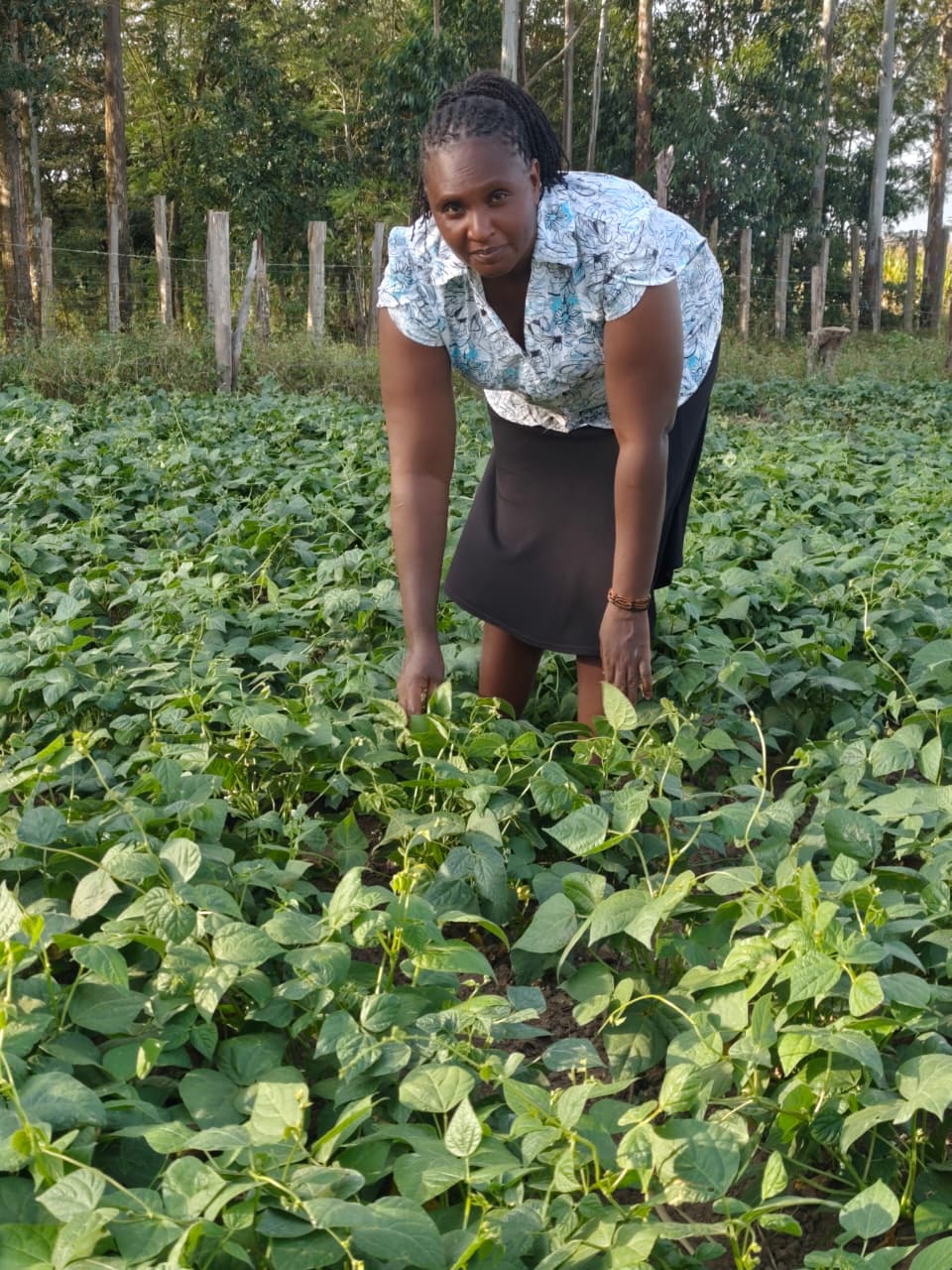
In the heart of the community served by Pulung’a Primary School, in Narok County, one woman is proving that agroecology is more than a farming practice, it is a pathway to healthier families, resilient livelihoods, and empowered communities.
Meet Christine Naisuya, a dedicated headteacher at Pulung’a Primary School and a passionate farmer whose life has been transformed through her engagement with Slow Food Kenya. Before joining Slow Food Kenya’s agroecology training programs, Christine, like many farmers, relied on conventional farming practices and purchased seeds each season. Today, her farm tells a different story. Through the knowledge and skills gained from the trainings, she has embraced agroecological farming methods, saved indigenous seeds, and completely eliminated the use of harmful chemical inputs on her farm.
Christine now manages a diverse and productive farm that provides nutritious food for her household throughout the year. Her recent harvests include beans, potatoes, and maize, while her family continues to enjoy a variety of fresh vegetables such as green peas, managu, and sukuma wiki.
But the impact goes beyond her own family.
With surplus produce from her farm, Christine regularly shares vegetables with neighboring women who may not have access to certain foods, helping strengthen food security and community solidarity.
“Since receiving agroecology training from Slow Food Kenya, I have learned how to save my own seeds and grow food naturally without using harmful chemicals. Today, my farm produces enough diverse food for my family, and I am proud to share with my neighbors as well. Agroecology has improved not only my harvests but also our health and well-being,” says Christine Naisuya
Beyond her own farm, Christine has become a passionate advocate for agroecology in schools. During her tenure at Nkareta Primary School,where she served as the deputy headteacher, she worked closely with Slow Food Kenya to establish and support a Slow Food School Garden. The garden has flourished, providing learners with practical lessons on food production, nutrition, biodiversity, and environmental stewardship.
When Christine was later transferred to Pulung’a Primary School, she encountered a challenging situation. The school lacked a productive garden, and many learners had limited exposure to food-growing practices. Determined to replicate the success achieved at Nkareta, she reached out to Slow Food Kenya and requested support to establish another Slow Food School Garden.

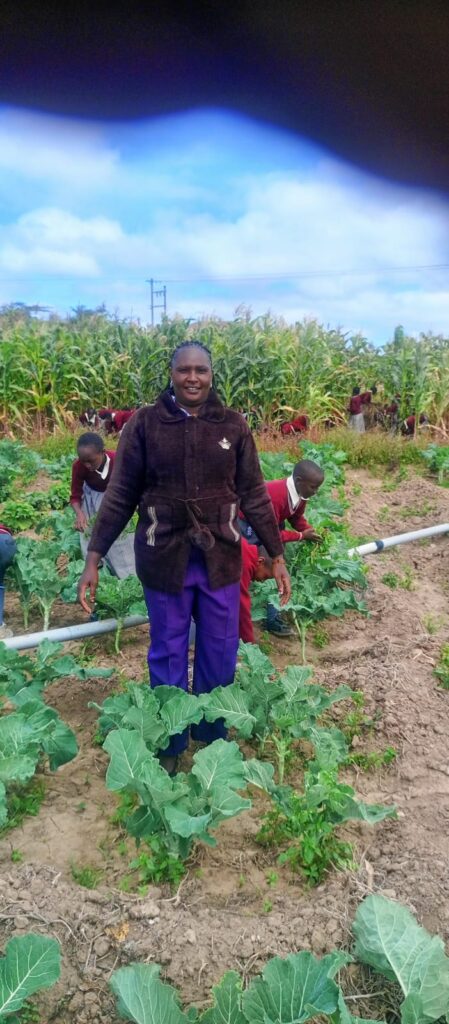

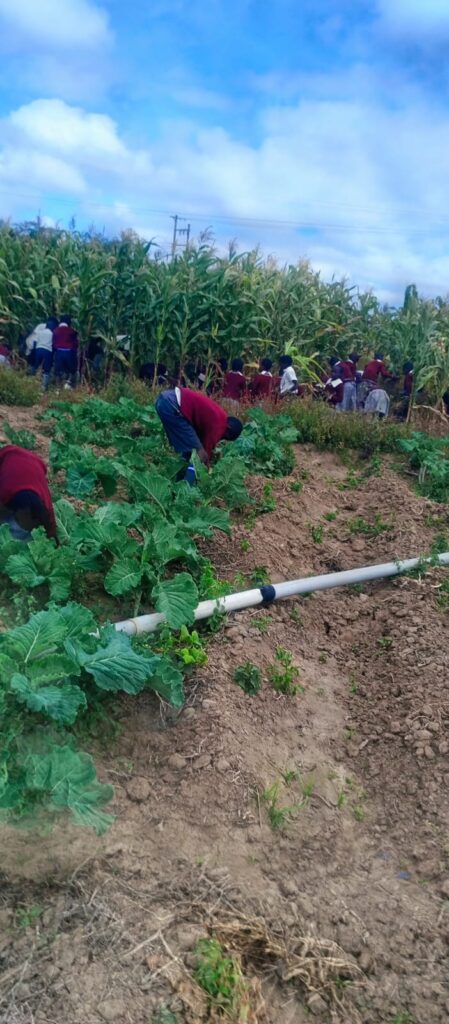
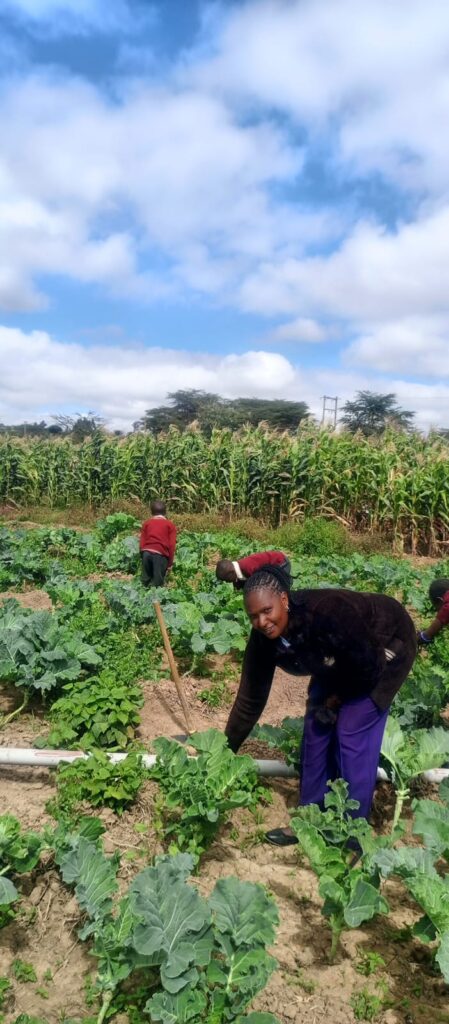
Her request was driven by a vision of creating a healthier and more resilient learning environment for the children. Today, the school garden at Pulung’a Primary School is steadily thriving, providing a living classroom where learners can gain hands-on knowledge about agroecology, healthy food systems, and biodiversity conservation.
Through her leadership, Christine is helping bridge the gap between agriculture and education, ensuring that the next generation develops an appreciation for nutritious food and sustainable farming practices.
Her story demonstrates how one rural woman can create change far beyond her own household. By nurturing healthy soils, conserving seeds, growing diverse foods, mentoring learners, and inspiring fellow farmers, Christine is cultivating a future where communities are more food secure, environmentally conscious, and resilient.
As we celebrate the Year of the Rural Woman Farmer, Slow Food Kenya proudly recognizes Christine Naisuya as a shining example of how women are leading the transformation of food systems from the grassroots level. Her journey reminds us that when women are empowered with knowledge and opportunities, they become powerful agents of change for their families, schools, and communities.
“A school garden is not just a place where food grows; it is a place where children learn about life, nature, and the value of healthy food. Seeing learners excited about growing their own food gives me hope for the future,” Christine reflects.


